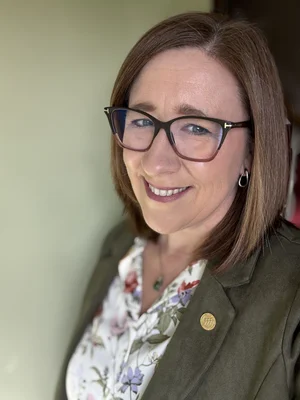
🧠 Weekly MindSweep No. 240 | Manage Your Mind | Interdependence
August 2026
Week 238 | Curated Conversation | Interdependence
Week 239 | Mind Your Business | Interdependence
*Week 240 | Manage Your Mind | Interdependence
Week 241 | What’s On My Mind | Interdependence
New to the Weekly MindSweep? Past issues live here.
Let’s Sweep The Brain!
🎬 Rather watch or listen instead of read? Now you can!
Subscribe to YouTube @chickbookcreative
In the MindSweep this week:
Weekly MindSweep: Past issues live here.
Curated Conversation: Join our community; Mondays at 8am EST
What’s Inspiring Me: Strong Female Character by Fern Brady
My face and a link to schedule your free consultation.
🧠 Weekly MindSweep No. 240 | Manage Your Mind | Interdependence
Learned, Wired, or Wounded
Trust the signal. Regulation was never meant to be a solo act.
It was a Tuesday night, ordinary in every way, right up until the notification.
I read the feedback sitting in my cozy chair, Walter snuggled in behind me, and felt absolutely nothing about the situation.
A client had written to say our work together “wasn’t quite what was pictured.” Her delivery was a little clipped, a little pointed, but it was not unkind. A slight sting, but I read it again, and didn’t give it much further thought, and wrote a warm reply, and went back to my evening.
I’ve learned we were not a good fit to collaborate and wished them the best in finding their person. There was no internal confusion, no knots in my stomach, and no need to call anyone and “check myself.” I didn’t find myself rehearsing a comeback in the shower the next day. (I’ve learned this is good evidence!) There was nothing left to process. Instead, I felt good with the closure.
Yet I can deeply recall an experience as a wedding photographer when a bride who’d booked me a year in advance sat with me through three consultations, built a real relationship with me, and then, 3 months before the wedding, canceled and hired someone else. They had quoted the bride a lower price while using the exact shot list I’d spent hours designing with her.
That experience flattened me. This new person had literally stolen my intellectual property!
Even though I felt the inner urge to lash out, I chose not to respond right away. I called a friend, and sat with it. I recall the feeling of grief and needing someone else in the room with me, even by phone, before I could trust my own read on what had happened.
I only reached back out to the client once I could see the situation clearly instead of through the flood of feeling and felt prepared to respond.
Now, as we’re unpacking Interdependence, I keep returning to the contrast. Why did one sting for a minute, and the other rearrange something in me for days? Why did the second send me straight to another person, while the first didn’t need anyone at all? Was that just how I’m wired? Something I learned long ago? Or something even older, like a response my body knew before I did?
I didn't have an answer that night. But it turns out, neuroscience might.
A Brain Built for Backup
A body of neuroscience research called Social Baseline Theory, developed by James Coan and Lane Beckes, offers useful insight into my question. It doesn’t answer the wiring-or-trauma question exactly, but it does give us a reason to take both possibilities seriously.
Researchers found that holding hands with a trusted partner “measurably reduced threat-related brain activity during a stressful moment, compared to holding hands with a stranger, which itself produced less threat response than facing the stressor completely alone.”
The theory’s larger claim matters to our conversation: our brains seem to expect access to other people, not as a nice extra, but as part of how we’re built to manage risk and effort in the first place. With that supportive access, our brains and bodies spend less energy managing the threat. Without it, everything gets more effortful, not just emotionally, but physically.
This theory also shares an example that people who walk up a hill next to someone else consistently rate the climb as less effortful than people who walk the same hill alone.
Which means the presence, or absence, of support isn’t just a mood; it’s a measurable shift in how much your nervous system has to work. That helps me see my call to a friend that night not as a coping mechanism layered on top of the real response, but as part of the actual regulation.
Wired, Wounded, or Both
Was my calm response regulation, my nervous system doing exactly what it’s built to do when a disappointment is minor and manageable? Or was the full-body reaction to the second moment trauma, an old wound getting reopened by betrayal? Or was neither of those the full story, and both responses my neurodivergent brain, wired to feel broken trust more intensely than a mismatched collaboration?
I don’t have a clean answer. And the current research actually says: I’m not supposed to.
Trauma responses and neurodivergent traits can look nearly identical from the outside, and often from the inside too. Hypervigilance, big reactions to things that seem small from the outside, or a need to process alone before you can respond- all of it can come from either place, or both at once.
ADHD and similar wiring differences typically show up early, have real biological roots, and don’t disappear once trauma is addressed. But trauma can absolutely make an already-sensitive nervous system more reactive, layering on top of wiring that was already there.
My goodness.
When we discussed these ideas in Curated Conversation, a third thread kept surfacing: learned behavior. Our parents may have been too busy surviving to tend to our neurospicy needs. We learned hyper-independence early in our family of origin. We learned that being needy was not a positive trait. What we inherited was a survival strategy built by someone else and handed down whether or not it still fits our lives today.
I’ve been sitting with these three scenarios: learned, trauma, or wired all week, and I believe the answer isn’t “which one is this?” but something closer to: some combination of wired, wounded, and inherited, tangled together in a way that isn’t always worth pulling apart.
We deeply curious humans can get stuck in the deep desire to understand the “why” of it all. (Just me? Weird!)
The More Useful Question
So here’s where I’ve landed. Well, at least for now.
Instead of asking which label explains my reaction—wiring, trauma, or something passed down —I’ve started asking a smaller, more useful question in the moment itself: what is my nervous system communicating to me right now?
Not why, not what’s wrong with me, not which diagnosis or family pattern fits.
Just: what is this signal, and what does it need?
Sometimes the answer is simple. This is disappointing, not threatening, and I can let it pass.
Sometimes the answer is bigger. This touched something old, mine or someone else’s, and I need support before I respond.
Either way, the question doesn’t require me to diagnose myself correctly before I’m allowed to trust what I’m feeling.
It’s the same question underneath everything we’ve been circling all month. If being needed has quietly become the thing that proves our worth, then the moments that flatten us aren’t really about the feedback, or the bride, or the canceled contract. They’re about what got threatened underneath it.
Like every month we’re practicing noticing. And noticing what your nervous system is actually communicating, instead of rushing to label or explain it, is itself a form of interdependence.
Social Baseline Theory says our brains were never built to regulate entirely alone. That means the moments I called a friend, sat with someone, or waited until I could think clearly weren’t a workaround for a healthier response. They were the healthier response.
The takeaway is simple: trust the signal, and let support count as regulation.
We were never meant to sort this out by ourselves either. The point is not to do it alone, but to notice when support is part of what helps.
My questions for you this week:
If you stopped trying to label your reaction, wired, learned, or wounded, and just asked "what is this signal telling me," what might you notice that the labeling usually distracts you from
Where in your life did you learn that needing support wasn't a positive trait? Whose voice do you still hear when you think that?
Reply and share with me!
✨ You Belong Here. I can help.
Want Support Reading Your Own Signals?
The goal was never to diagnose yourself correctly before you're allowed to trust what you're feeling. But that doesn't mean you have to sit with the signal alone, either. Sometimes the fastest way to understand what your nervous system is actually communicating is having someone else in the room with you, asking the questions you can't quite ask yourself.
If you've read this and found yourself thinking about your own wired-wounded-or-both moments, the client feedback that barely touched you, the betrayal that flattened you for days, a MindSweep Mapping Session is a space to bring that pattern in and actually look at it. Not to label it, but to notice it, clearly, with someone else's eyes on it too.
If you're not sure where to start, a free 30-minute consultation is the easiest first step!
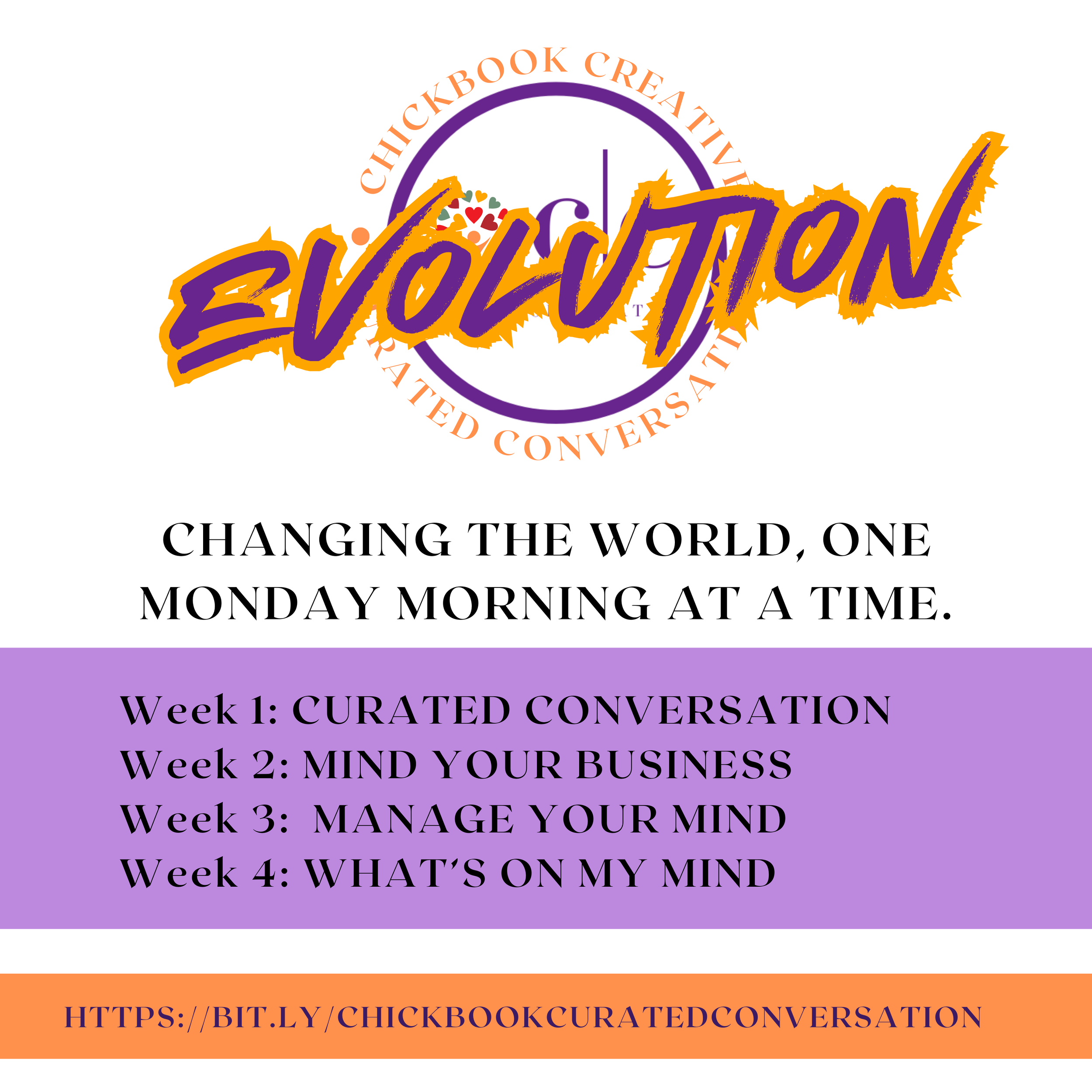
Curated Conversation
This August marks our 50th Curated Conversation topic! 240 weeks of showing up in community, not alone. It felt right that Interdependence is the topic that gets to carry that milestone.
Every Monday at 8am EST, Curated Conversation Evolution is a room full of creative entrepreneurial brains that get it. Bring the thing you've been handling alone.
August is our month on Interdependence. Your first month is free. Come find out what it feels like to be in the room where it's safe to say the thing out loud.
Listen if you want. Speak if you're ready. Stay if it feels like home.
Mondays at 8 a.m. EST. Start with coffee. Belonging included. 💜
Was this blog forwarded to you? Sign up!
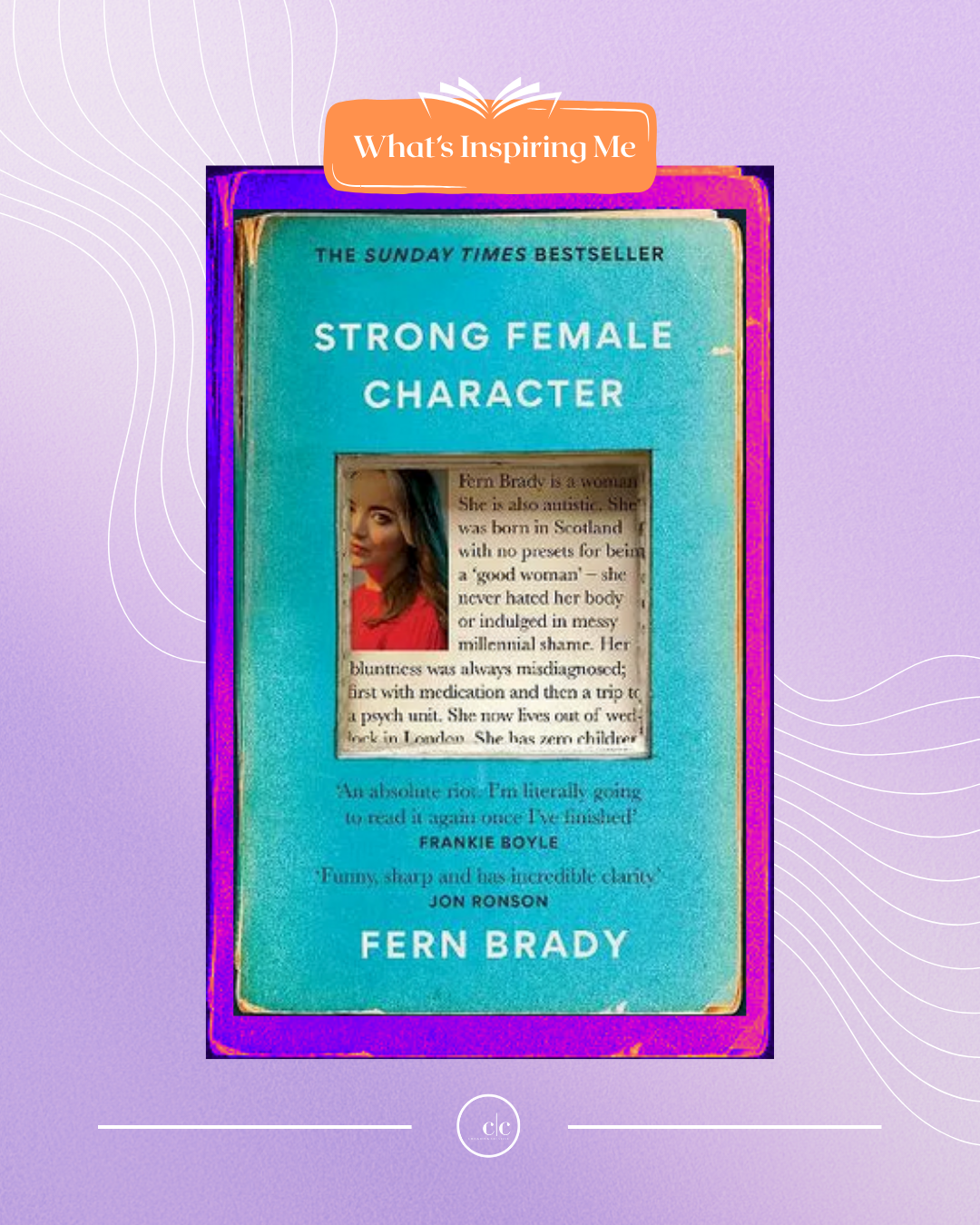
What I’m reading
Strong Female Character
by Fern Brady
Performing “normal” and what it costs.
Thank you very much, Instagram algorithm, for bringing Fern Brady’s book into my awareness. Yes, I did go to the link in her bio and purchased her book through the Independent Book Store in Edinburgh, Scotland. And, yes, I also needed the tote bag from The Portobello Bookshop to carry my new book around Massachusetts. (I’m proud of myself for only ordering those two things!)
What's Inspiring Me: unmasking as a business strategy, not just a personal one.
In other news…
Feeling #FOMO about Curated Conversations? Join us!