🧠 Weekly MindSweep No. 246 | Manage Your Mind | Masking
October 2026
Week 242 | Curated Conversation | Masking
Week 243 | Mind Your Business | Masking
Week 244 | Curated Conversation II | Masking
Week 245 | Mind Your Business II | Masking
*Week 246 | Manage Your Mind | Masking
Week 247 | What’s On My Mind | Masking
New to the Weekly MindSweep? Past issues live here.
Let’s Sweep The Brain!
🎬 Rather watch or listen instead of read? Now you can!
Subscribe to YouTube @chickbookcreative
In the MindSweep this week:
Weekly MindSweep: Past issues live here.
Curated Conversation: Join our community; Mondays at 8am EST
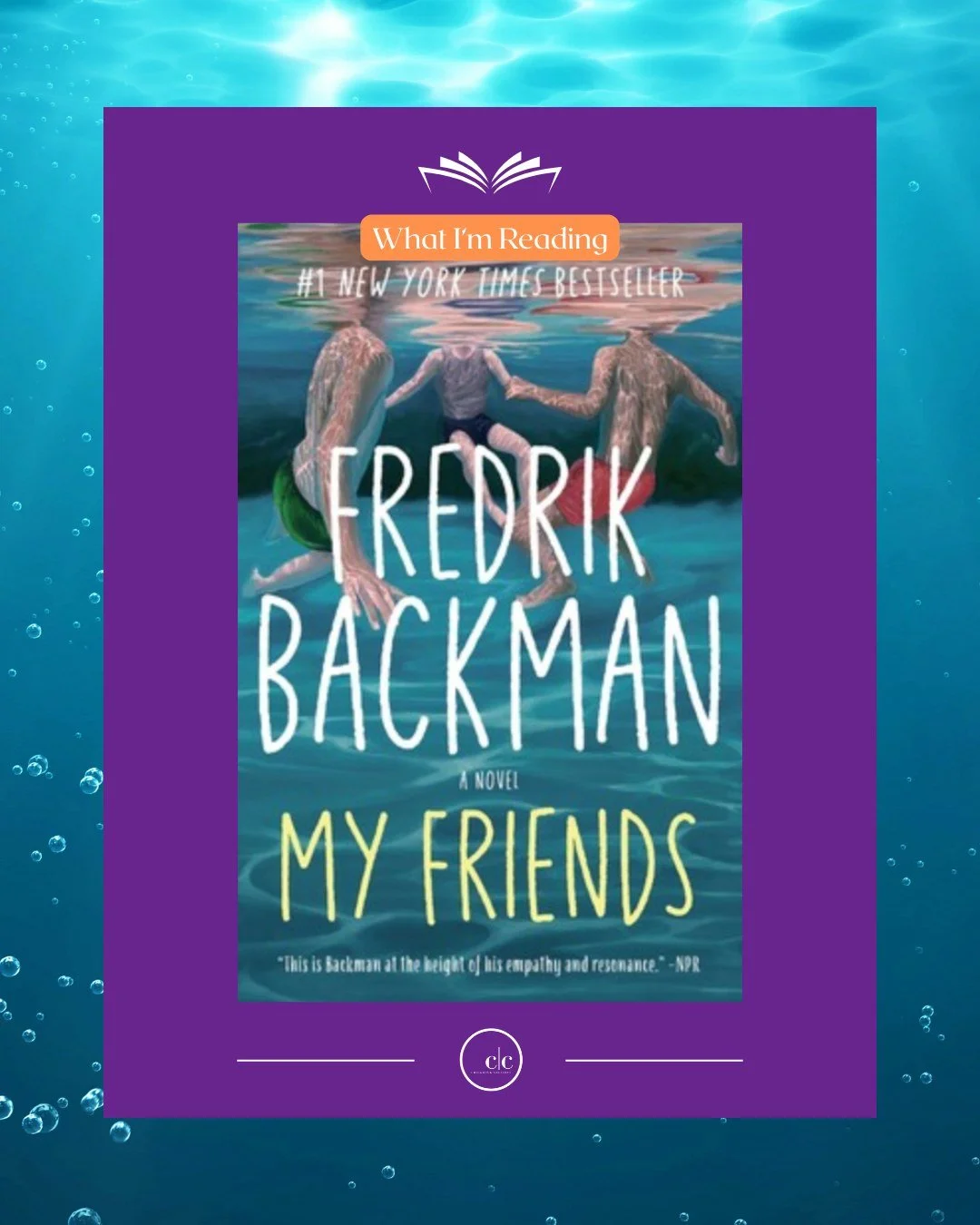
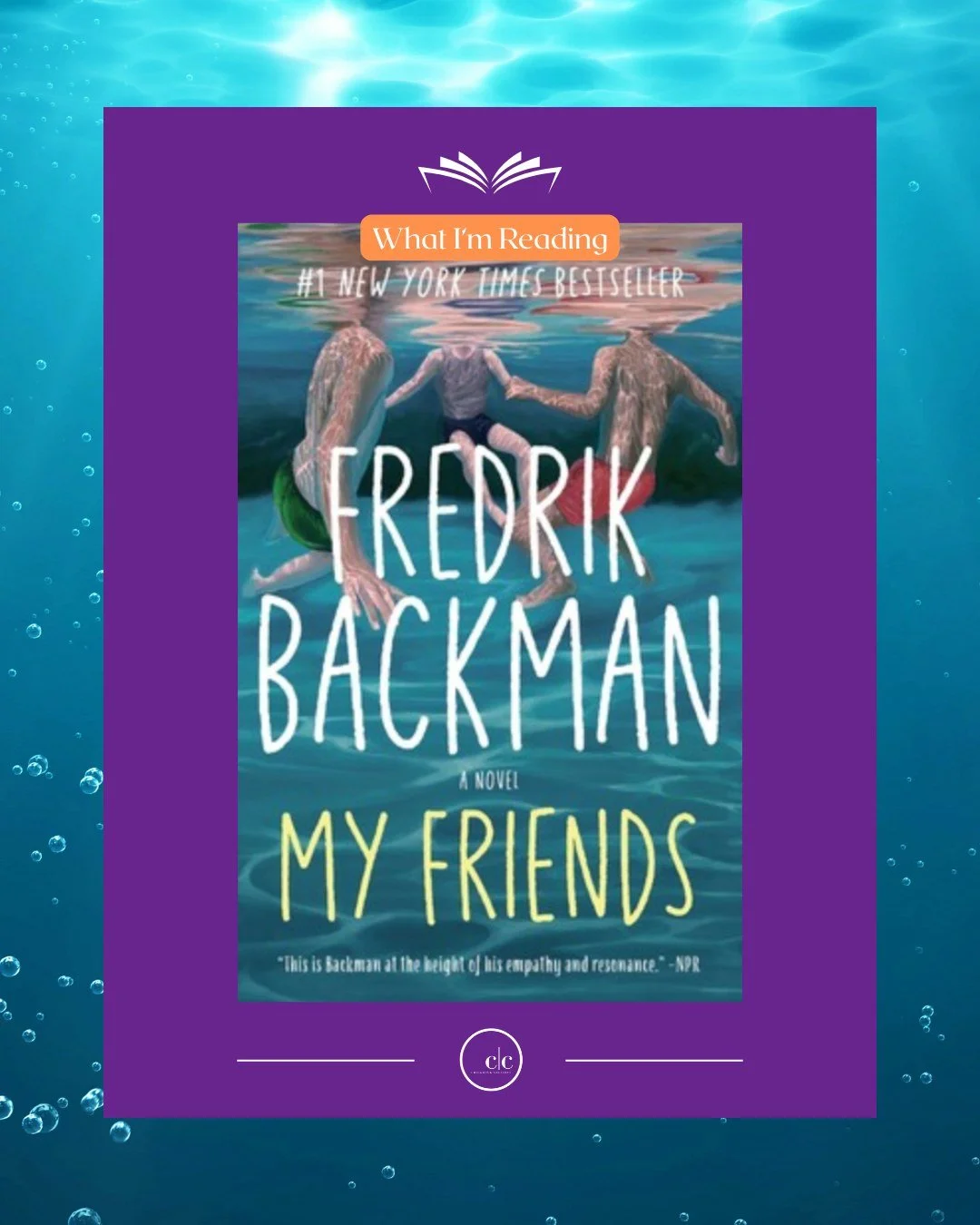
What’s Inspiring Me: My Friends: A Novel by Fredrik Backman
My face and a link to schedule your free consultation.
🧠 Weekly MindSweep No. 246 | Manage Your Mind | Masking
Free Isn't Generosity. It's Fear Wearing a Generosity Mask.
"I've been confusing connection with value."
Oof, the honesty in that statement has been with me all week. And almost everyone in the Curated Conversation room nodded.
Last week I set out to talk about where we play it safe in business with a comfortable mask, and the conversation went straight to one place and stayed there:
The things we give away for free.
Not the intentionally strategic or a deliberate taste-of-the-work kind of free. The other kind.
The “free” that quietly became unsustainable, and we kept doing anyway. The consult that was supposed to lead somewhere and mostly led to people who didn't show. The price that drifts downward mid-sales conversation. The free offerings and gathering of people making deep human connections who ghost you when it’s time to invest. The "committee in our heads" that shames us for even thinking about charging.
We tend to explain this with words like generous, or heart-centered, or mission-driven. And sometimes that's exactly what it is.
But this is Manage Your Mind week. So before we reach for the kind explanation, I want to look at what's actually happening in the brain. Because once you see the machinery underneath "I'll just do it for free," you stop calling it a character trait and start seeing it for what it often is:
A mask. And a very well-built one.
Your Brain Treats Connection as a Reward
Let's start with why free feels so good to give.
When someone accepts what you offer, when they say yes, when they're glad you're in the room, your brain does something measurable. Being liked and being socially accepted lights up the brain's primary reward circuitry, the same ventral striatum machinery involved in other fundamental rewards.¹
Your brain pays you, chemically, for being accepted.
Connection isn't a nice-to-have that your mind files under "soft stuff." It's processed as a genuine reward, close to the circuitry that handles the things we're wired to pursue.
And free is the single most reliable way to trigger that reward. Nobody turns down free. Offer it, and the yes is almost guaranteed. It feels like the room is glad you're there and that you belong.
So of course it feels good. You're not imagining the warmth; you're collecting a real neurological payment every time you give the work away.
That's the first half of the trap.
Free reliably buys the exact thing your brain is built to chase.
Your Brain Treats Rejection as Pain
Now let’s understand the other half that explains why charging is so hard.
In a landmark study, researchers put people in a brain scanner and had them play a simple virtual ball-tossing game. Partway through, the other players stopped including them, freezing them out for no reason. When that exclusion happened, it activated the anterior cingulate cortex, a region also involved in processing physical pain. And the people who felt the most distress from being left out showed the most activity in that region.²
Your brain processes social rejection on the same circuitry it uses for actual pain.
Now, let's look at what setting a price really is.
When you name your price, you create the possibility of a moment where someone can say “No.” And to a brain wired to treat rejection like pain, that moment doesn't register as a neutral business transaction. It registers as a threat.
Giving your time, energy, expertise, and attention for free removes the threat entirely. There's no number to reject, so there's no rejection to brace for. You get all of the reward of being accepted and none of the risk of the no.
When we put those two halves together, we gain the awareness that:
free guarantees the reward your brain craves
and eliminates the pain your brain fears.
It offers connection with no risk of rejection.
So of course we reach for it. It would actually be strange if we didn't. This is not weak discipline or bad business sense. It's a nervous system doing precisely what it has evolved to do.
Which is Exactly How it Becomes a Mask
Here's where neuroscience is going to hand us creative, multi-passionate neurodivergent humans an even harder truth.
When something reliably gives your brain reward and removes threat, your brain will reach for it again and again, whether or not it serves you.
That's the definition of a “comfort behavior.” And a comfort behavior we run without noticing, to protect ourselves from an exposure we don't want to face, is a mask.
So what is free actually hiding?
The one thing it never makes you confront: whether the work is worth paying for.
A price is the test. It's the moment someone other than you measures the value of your work. Free lets you skip the test forever. You never have to stand in the gap between what you hope you're worth and what someone will actually pay, because you've made sure no one ever has to decide.
That's why this particular mask is so challenging for heart-centered entrepreneurs. The Curated Conversation member who said, "I've been confusing connection with value," named it exactly. When being accepted feels like a reward and being paid feels like a risk, the brain quietly swaps one for the other. We start sourcing our sense of worth from the warm yes of free, instead of from the harder, truer measure of what people will invest in us.
The connection feels like proof of value. But it isn't the same thing. It just lights up the same part of the brain.
One Brain. Every Mask We've Worn this Season.
We have spent weeks naming different masks that I used to think of as separate problems. They're not. Underneath every single one is the same piece of wiring.
Belonging is not a preference for us. Researchers have made the case that the need to belong is a fundamental human motivation, as basic as the drives we never question.³ And because the brain treats connection as survival-grade, it runs social reward on reward circuitry and social threat on pain circuitry.
Every mask we've talked about is that one system, doing one job: keep me safe, keep me connected.
Let’s take a look at what we've named so far, noticing that all of it is running on the same machinery:
The fit-in mask (where we started). Hiding the parts of how our brains work, the stimming, the tangents, the pace, to avoid the cost of being visibly different. That's the nervous system spending enormous energy to stay inside the group, because to a brain wired for belonging, standing out has always registered as danger.
The performance mask. Looking composed, rehearsed, and effortlessly on top of it all. Earning our place by proving we're not a burden. Same goal, different costume: belong by being impressive enough that no one has a reason to pull away.
The survival mask. The one that slams up automatically when we're dysregulated, in a new room, a new country, a hard season. No audience required, because this one isn't even trying to impress anyone. It's the raw threat response: get small, get safe, get through it.
And now the comfort masks. The settled grooves from last week, and the free offering from this week. The quietest of all, because they don't hurt. They just hand the brain guaranteed connection and let it skip the risk of the no.
Four masks. One nervous system. One survival-grade question running underneath all of them: am I safe, and do I still belong?
That perspective changes what we're actually working on. We are not trying to fix four separate bad habits. We are learning to notice one very old, very loyal protective system, and to gently let it know that in this particular room, at this particular stage of our business, the threat it's bracing for may not be there anymore.
Or, it’s time to choose differently.
Where to Look This Week
Comfort will not flag itself, and this comfort hides inside your most generous instincts, which makes it the hardest of all to catch. So let's go looking, on purpose, in the places “free” likes to live.
And I’m not here to tell you to swear off generosity. I want you to be able to tell the difference between free you chose and free you're hiding behind.
The free thing that quietly became unsustainable. The consult, the call, the "just send it over and I'll take a look." It started as a gift. Somewhere along the way it became a tax you pay on your own business, and you kept paying it because stopping felt like taking something away. When did you last ask whether it's still a choice, or just a habit you're afraid to end?
The price that slides mid-conversation. You name a number, you feel the air change, and before they've even answered, you're already discounting, adding, softening, saying "but for you I’ll…." That live in-the-moment little slide is the rejection circuitry firing in real time. Notice it. The slide is the mask moving.
The buffet. So many free offerings, freebies, and extras that no one can find the actual paid door, including you. A buffet feels generous. Often it's a way to stay so busy being helpful that you never have to put a clean price on the main thing you love doing, and need the revenue from to sustain yourself and your business.
Who “free” is actually attracting? A room full of people who want the magic trick, not the work. Free doesn't just cost you money. It often fills your calendar with the people least ready to value what you do, and crowds out the ones who are.
And the deepest one. The story that your business "doesn't really matter because you don't need the income." If that's running, read it closely, because it's the mask wearing its most convincing disguise. "I don't need it" is a beautiful place to hide from "what if I tried, and it still didn't work?" You can't fail at something you’ve never fully valued. Free, here, isn't about the client at all. It's protection from your own potential.
What This is All Really Asking of Us
The work this week is still not to rip off the free mask by force. We know you can't white-knuckle a nervous system into feeling safe. The work is to let your brain update one old belief:
That a "no" is not an injury. It's information. A data point. And a place to get curious.
When someone declines your price, the rejection circuitry will light up; that's real, and it will pass. What's left after it passes is the most useful data your business can get: this person wasn't yours. And every no you can survive makes room for the yes that actually values the work, from the person who wanted the work, not the magic trick.
Charging isn't the opposite of being heart-centered. It's how you make sure the heart-centered work is sustainable enough to keep existing, for the people who truly need it.
So this week, you don't have to overhaul your pricing. You just have to catch the mask in the act, once. Watch free do its job, buy you the warm yes, spare you the scary no, and ask the question it's been protecting you from the whole time:
If I trusted that this work was worth paying for, what would I stop giving away?
✨ You Belong Here. I can help.
If this one stung a little, you’re in good company. The whole room felt it too.
You almost certainly can’t see your own free mask clearly, because it’s wearing the face of your best, most generous instincts. That’s exactly the kind of thing I love to untangle together.
In a MindSweep Mapping Session, we look honestly at where your work is going out the door for free, not to shame the generosity, but to find the clean paid door underneath the buffet, and to put a price on the thing you most love doing and most need to sustain.
We separate the connection you’re craving from the value you’ve been undercharging, and we build something you can actually say out loud without the number sliding.
Not ready for that yet? That’s completely okay. A free 30-minute consultation is a low-stakes place to start, and yes, I see the irony of a free consult in a newsletter about free.
The difference is that this one is a deliberate, chosen door, not a mask. Come use it on purpose.
Curated Conversation
You Read It. Now Come Sit In It.
The real work needs a safe person and a safe room. This is the room.
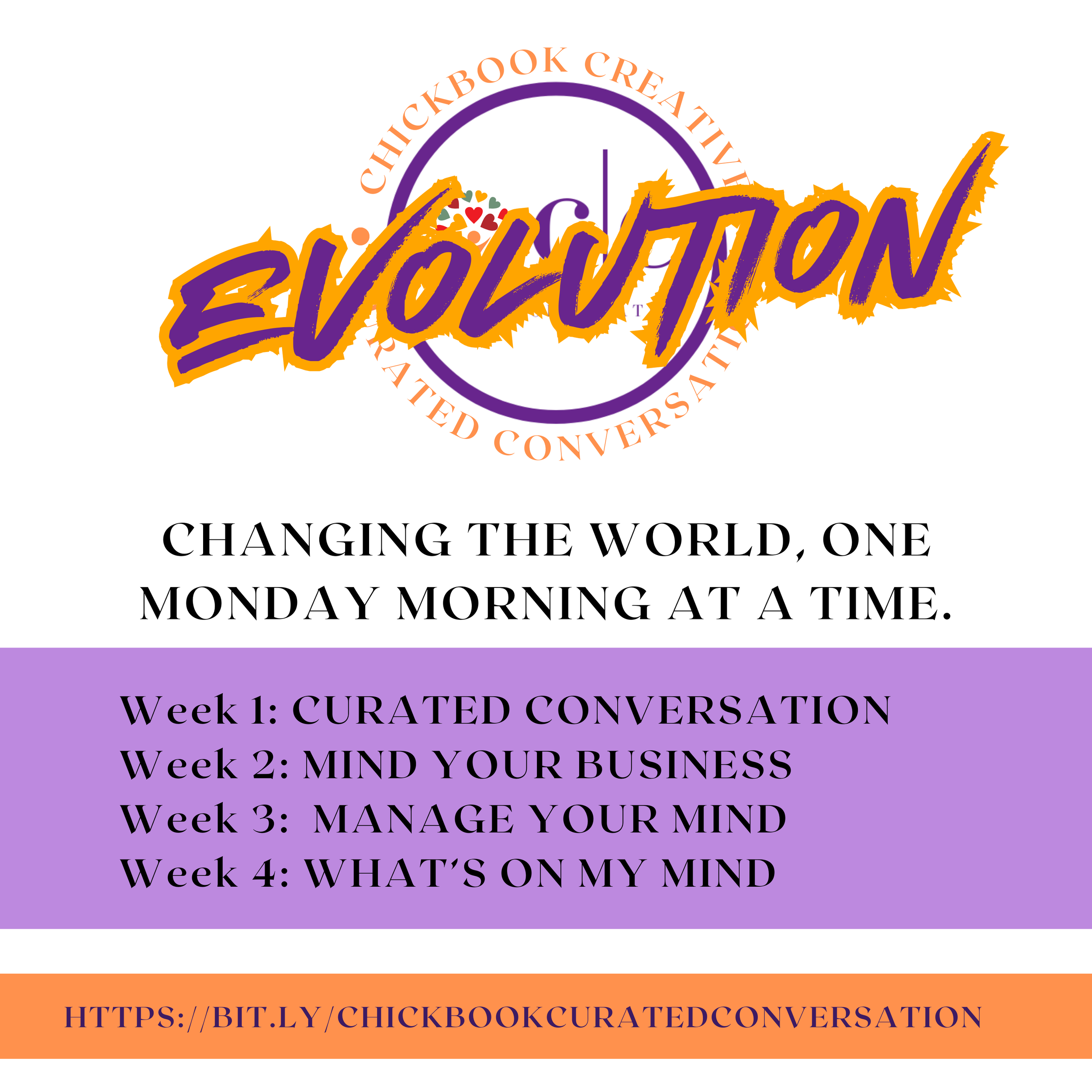
Curated Conversation Evolution is built specifically to not require the performance. Every Monday at 8am EST, creative, heart-centered, neurodivergent entrepreneurs gather and say the quiet things out loud, together.
This month we're sitting with Masking: not tearing it off by force, but getting curious about what it would take to feel safe enough to set it down.
Your first month is free. Come be the unedited version of yourself with people who already know what that costs.
Listen if you want. Speak if you're ready. Stay if it feels like home.
Mondays at 8 a.m. EST. We start with coffee and belonging is included. 💜
Was this blog forwarded to you? Sign up!
Davey, C. G., et al. (2010). "Being liked activates primary reward and midline self-related brain regions." Human Brain Mapping, 31(4), 660–668.
Eisenberger, N. I., Lieberman, M. D., & Williams, K. D. (2003). "Does Rejection Hurt? An fMRI Study of Social Exclusion." Science, 302(5643), 290–292.
Baumeister, R. F., & Leary, M. R. (1995). "The need to belong: Desire for interpersonal attachments as a fundamental human motivation." Psychological Bulletin, 117(3), 497–529. I'll drop live hyperlinks into the published version on your go (verified landing pages: Melbourne research record for #1, Science/Scientific American for #2, Hendrix/Duke hosted PDF for #3).
What I’m reading
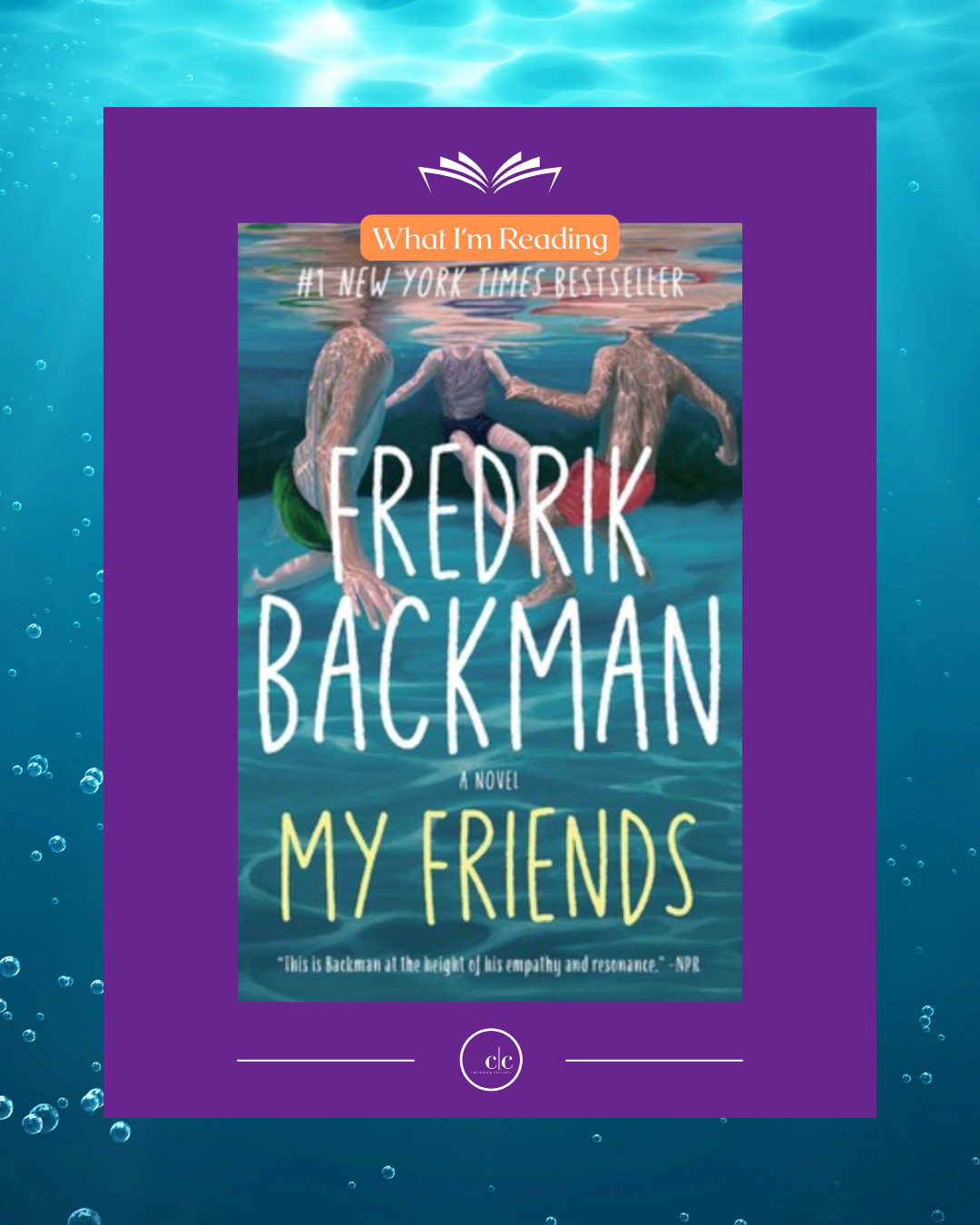
My Friends: A Novel
by Fredrik Backman
The mask doesn't check who's in the room. Once you learn your natural way of being is a problem, you hide it from everyone. The critics. The clients. The friends cheering the loudest.
Entrepreneurs do this with our work.
What's Inspiring Me: Who already sees the thing you're still hiding? What would you make if you let them push you?
In other news…
Feeling #FOMO about Curated Conversations? Join us!